

When “Normal” Doesn’t Translate: How Seven & i and Dentsu Digital Are Reimagining Japanese Convenience for the World
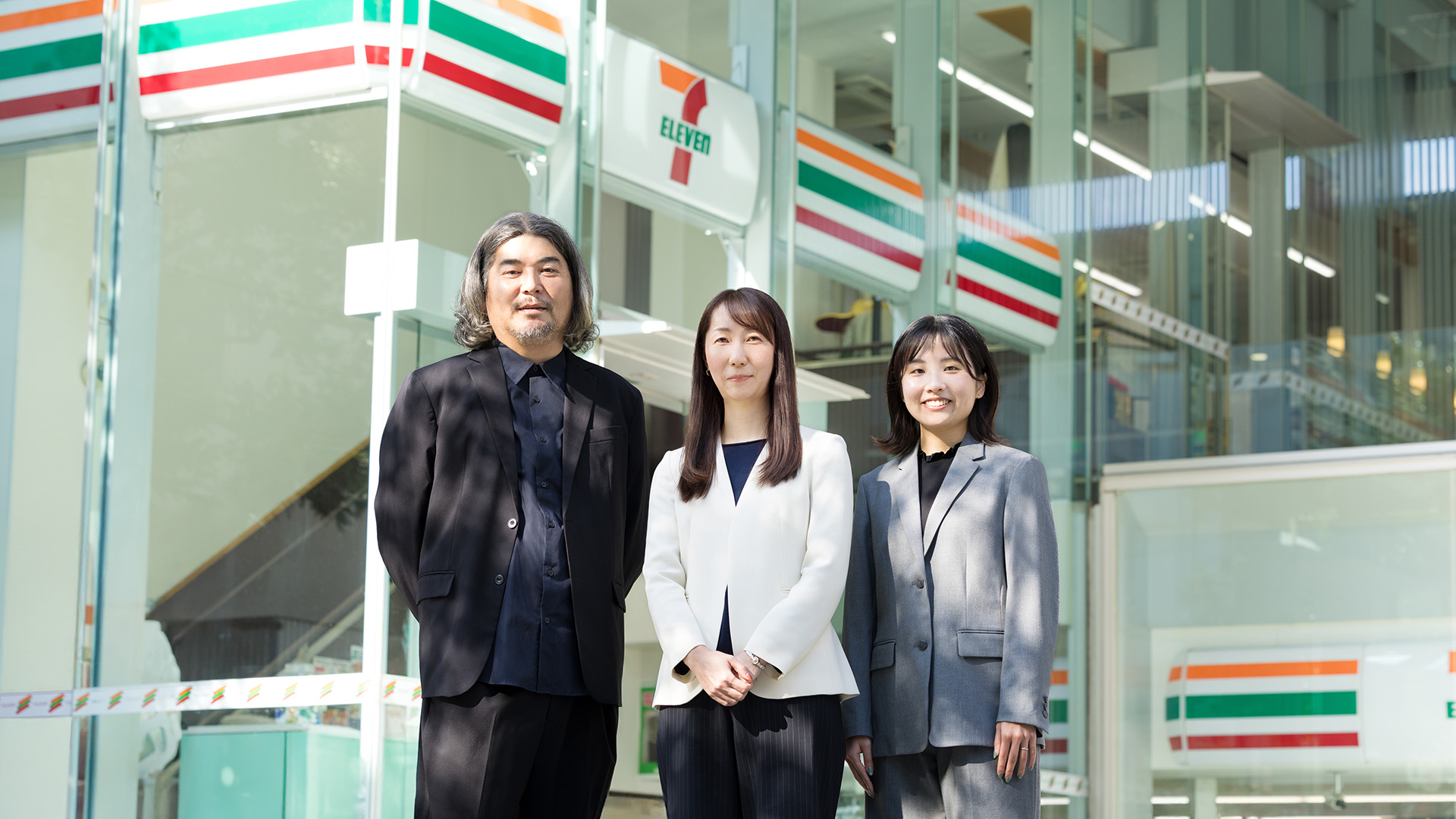
For over half a century, Seven-Eleven Japan has been shaping Japan's convenience store culture, continuing even today to support people's daily lives while addressing social issues.
In an effort to communicate the essence and value of their work on a deeper, broader international scale, Seven & i Holdings launched a new global website in June 2025. The concept is "CONVENIENCE REIMAGINED."
Ms. Mariko Takagi, Officer of the Brand Communication Department in the Corporate Communication Division, sees this site not simply as a vehicle for disseminating information, but as a strategic platform for the global market.
Supporting this vision from strategy and content creation through to website development and advertising was Dentsu Digital. Project Manager Sayaka Maeda of the Dentsu Digital Global Center (DDGC) and Creative Director Yoichi Niiuchi, of the Experience & Product Division joined Ms. Takagi for a roundtable discussion, uncovering this new approach to communicating corporate value overseas.
This article is an English translation of an article originally published on DIGIDAY Japan on December 23, 2025.
Conveying Brand Value and Social Impact to Global Business Leaders
DIGIDAY: First, can you tell us about the background behind launching the global website?
Mariko Takagi (hereafter, Takagi): Our company has long been expanding its convenience store business on a global scale. Moving forward, we have a strategy to further strengthen our overseas expansion, but in many countries, the relationship between Seven & i Holdings and Seven-Eleven Japan and the positioning of our company are not well recognized. For this reason, we felt it was essential to properly convey our brand value to business leaders, who form the core of decision-making in companies, including shareholders and investors.
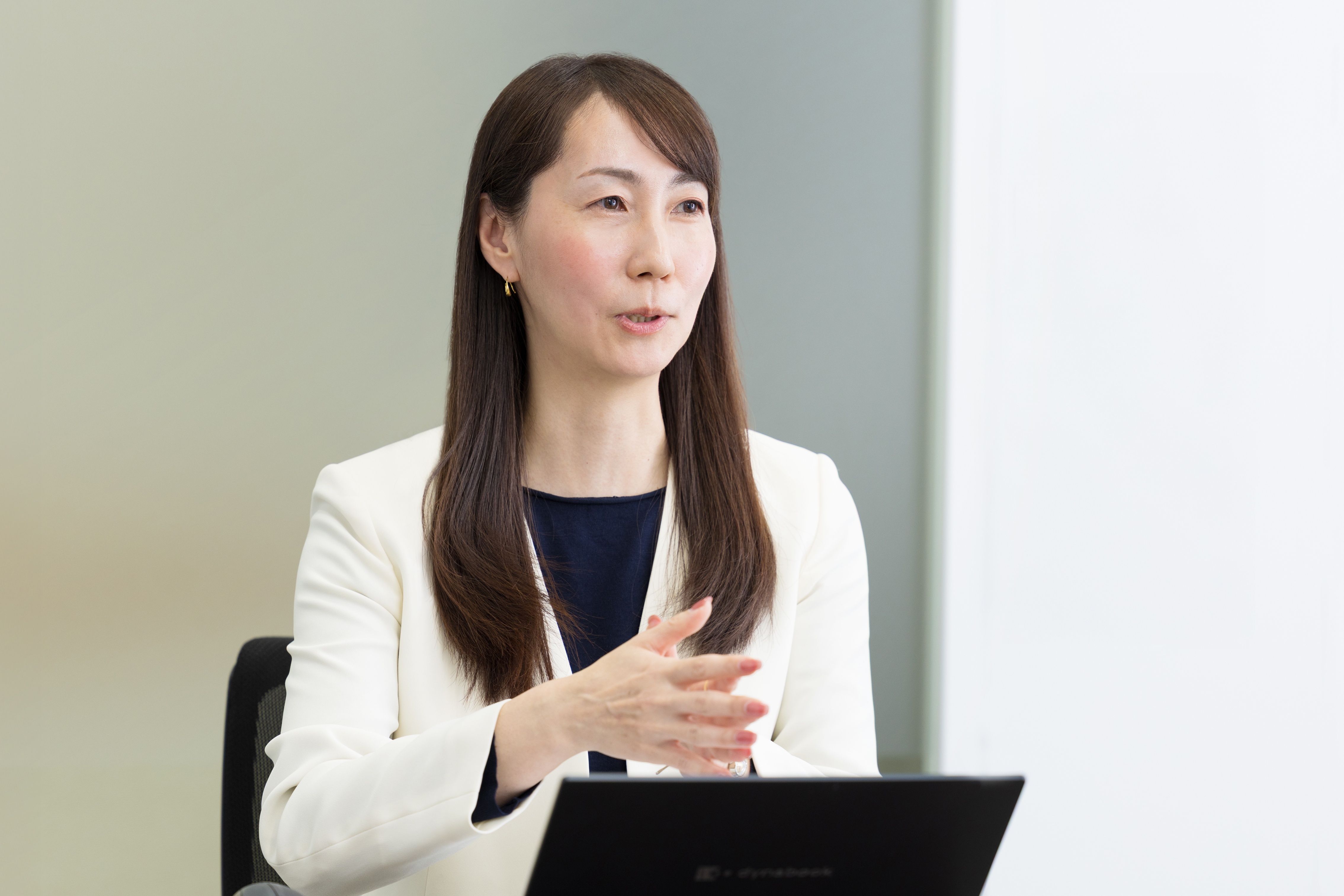
After working at a department store, she joined the company in 2019. She has been involved in digital marketing initiatives for e-Commerce sites, as well as the operation of the corporate website and visual identity (VI) management. Later, she promoted the launch of owned media as a project manager. Currently, in addition to planning and producing corporate advertising, she is focusing on global communications to strengthen the brand’s market positioning.
The convenience store business, based on a value chain cultivated in Japan over more than 50 years, is a best practice that symbolizes our company’s strengths. We wanted to show the passion and processes behind the products and services we deliver. By revealing these aspects that are usually hidden, we hoped that people would discover the essential value and social role of our brand.
Our own global research showed that many businesspeople in North America and Europe tend to watch videos on social media in addition to visiting corporate websites. Based on this insight, we decided to create the global site originating from digital media.
DIGIDAY: Specifically, what kind of brand value did you want to communicate?
Takagi: One is our “customer-centric philosophy,” which continually evolves to meet customer needs. The other is being a “provider of convenience,” offering solutions for the inconveniences people encounter in daily life. Recently, we have seen an increase in overseas visitors to Japan sharing Seven-Eleven Japan products on social media, which has created a buzz abroad.
Through digital media such as social networks, we can learn what resonates with people in each country and region. However, since we didn’t have expertise in directly reaching out to overseas business leaders, we consulted with Dentsu Digital for the next steps after conducting the global survey.
Reflecting Customer-Centric Commitment in Content
DIGIDAY: Can you describe the content of the site itself?
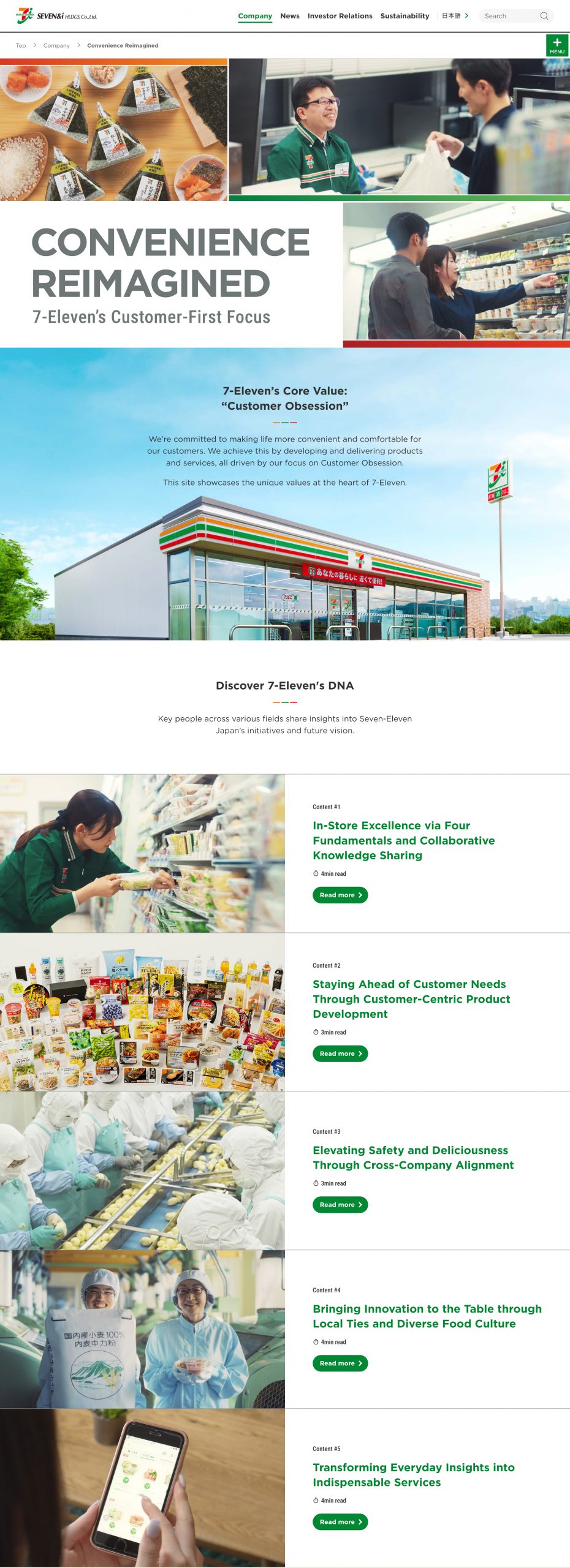
Sayaka Maeda (hereafter, Maeda): Under the concept of “CONVENIENCE REIMAGINED,” we structured the site to show how Seven-Eleven Japan is taking on the challenge of creating value that goes beyond mere convenience, based on a customer-centric philosophy. The content is organized into five themes, each presented with videos and articles:
- Advanced store management through sharing on-site strengths and expertise
- Merchandising development driven by a customer-centric approach
- Quality control and collaboration with partners to ensure safety and deliciousness
- Merchandising development and co-creation responding to the needs of local communities
- Evolution of social infrastructure, including financial and government services
Every piece of content is designed with a clear structure based on “WHY” (the reason), “WHAT” (the content), and “HOW” (the method).
DIGIDAY: How did you determine the order and flow of the five thematic contents?
Takagi: Starting from the customer’s perspective, it felt most natural to begin with what happens inside the store. We wanted to first explain the unique in-store operations that deliver our value, then move on to how the products found there are developed. After that, we introduce the process of developing those products, our commitment to safety, security, and taste, then broaden the conversation to connections with the local community, and finally present the various services offered in-store. Through this narrative, we hoped to deepen understanding of our company’s values and how we put them into practice.
Yoichi Niiuchi (hereafter, Niiuchi): For the videos, we focused on interviews with management as the main axis, conveying the facts succinctly while visually expressing our unique values in a catchy way. Nonetheless, the videos are just a digest to spark viewers' interest and curiosity.
We designed the division of roles so that the articles could provide additional facts and specific stories that can’t be fully conveyed in the videos, deepening understanding even further. Our aim was to clearly communicate value in an easily understandable way for native speakers as well, covering both brand recognition and understanding of our business activities.
Assembling the Optimal Team: Native, Bilingual and Globally Strategists
DIGIDAY: What aspects did you prioritize in production of the website?
Maeda: What we focused on most was whether what we wanted to express was being conveyed accurately. We constantly kept in mind whether the points we consider important in Japan would resonate with business leaders overseas in the same way. To ensure that the articles resonated beyond simple translation, we assigned native copywriters. They worked closely with our Japanese copywriters to understand the intent and nuance behind the wording, facilitating effective transcreation.

Joined Dentsu Isobar Inc. (now Dentsu Digital) in 2018. Drawing on eight years of experience living in Guam and her English proficiency, she serves as a bilingual project manager and account manager, working in both inbound and outbound domains. She mainly engages in owned media operation, planning, and production for foreign-affiliated consumer goods manufacturers, luxury brands, and Japanese global brands, as well as digital communication design utilizing social media, and campaign planning and execution.
Niiuchi: For the videos, we also appointed a bilingual director who could grasp and faithfully communicate the nuances that Ms. Takagi and we wanted to convey, and give detailed direction even to native narrators.
To foster empathy and trust by directly delivering the passion and intentions of management to the audience—and to leave a distinct impression that we are a Japanese company—we deliberately used English subtitles for the interview parts instead of dubbing them into English.
Takagi: It’s rare to find people in Japan who can handle global communications, but Dentsu Digital flexibly utilized their diverse talent and resources for us. I’m also very impressed with the quality of their proposals and creative work.
The Day After Launch, the Video Was Viewed Tens of Thousands of Times
DIGIDAY: What kind of response did you see after the website went live?
Takagi: The number of impressions and clicks far exceeded our expectations, and we also received a great deal of positive feedback, which left a strong impression. Although this initiative was originally aimed at external businesspeople overseas, it also helped deepen the understanding of employees working at Seven-Eleven Japan stores abroad and local operating companies, serving as a useful educational tool as well.
Niiuchi: As creators, we were a bit nervous about how many people would actually watch it, but as for the video, the view count reached tens of thousands just the day after release, and after that, it kept growing—surpassing 500,000, 600,000, and even more. Disseminating information primarily through social media and using advertising also proved to be effective.
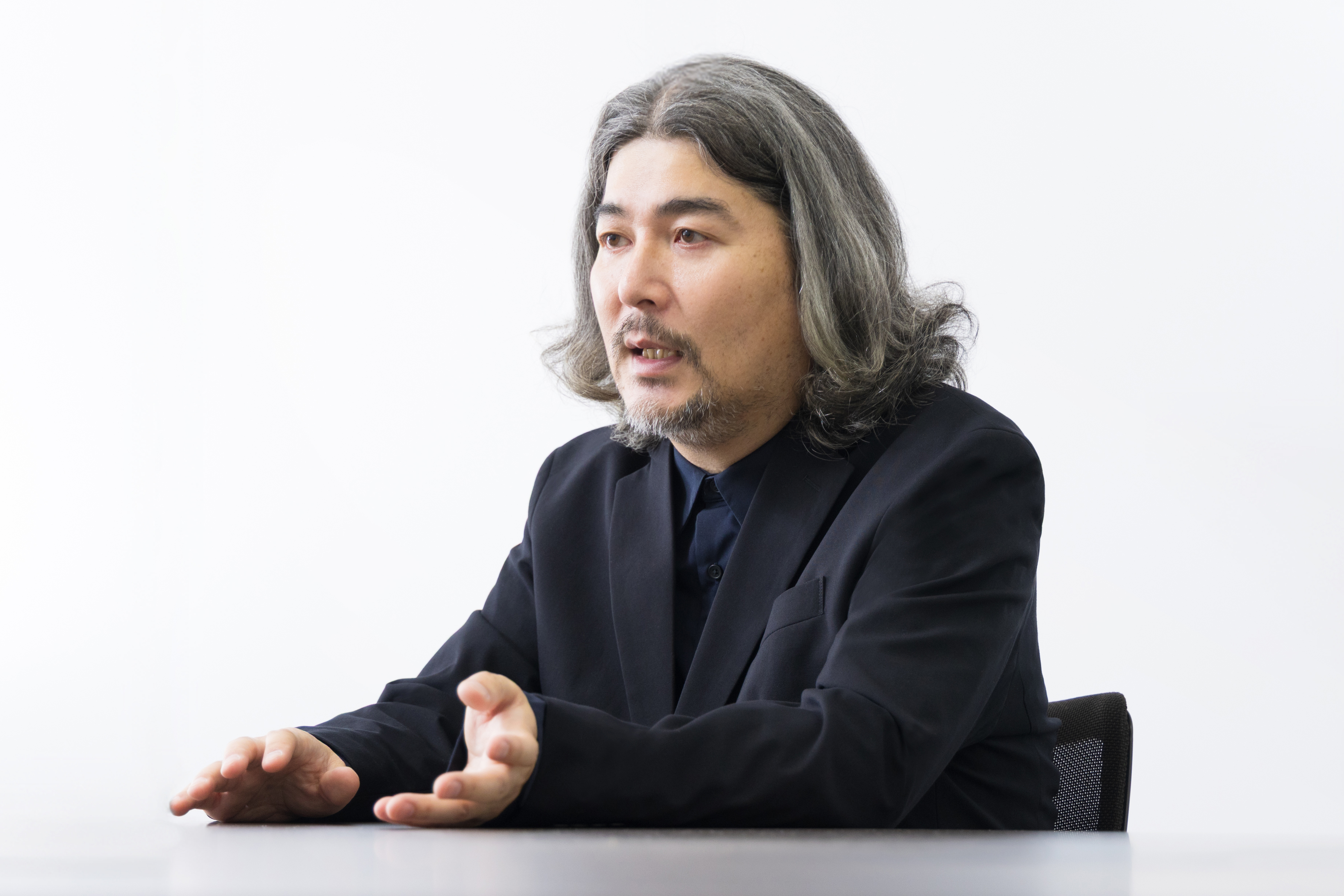
Started his career as a copywriter in 2000. He joined Dentsu e-Marketing One, the predecessor to Dentsu Digital, in 2012 and has served as a Creative Director since 2016. His clients cover a wide range of industries, including finance, automotive, and IT. He is a member of the Tokyo Copywriters Club.
Realizing the Importance of Questioning What We Take for Granted
DIGIDAY: Did you gain any insights through this project aimed not at domestic, but global communication?
Maeda: Things like quickly completing administrative procedures, or seeing products that make use of regional specialties, are unique to Japanese convenience stores and not commonplace overseas. The extent to which these stores are committed to making customers’ lives more convenient—as well as the basic assumptions and perceptions—are quite different between Japan and other countries. I realized there are many hurdles to overcome when communicating across these cultural differences.
Niiuchi: Even with ingredients, for example, udon (a thick noodle made from wheat flour) is easy to communicate but somen (a very thin noodle made of wheat flour) can be difficult for people to grasp. I realized the importance of questioning the things that are “normal” or taken for granted in our daily lives. This time, the most challenging aspect was “visual storytelling.”
It was also quite challenging to visually depict the recent conveniences—such as completing procedures just by scanning your smartphone. By carrying out many simulations during location scouting, and by experimenting with shooting and presentation methods, I believe we were able to express the unique convenience of Japanese stores.
Takagi: Although we always say we take the “customer’s perspective,” I found myself thinking through a Japanese lens. Just as rice balls are a staple in Japan but appear fresh and new to overseas visitors, I learned the importance of communication that takes into account not only the varying level of convenience store penetration by country or region, but also cultural backgrounds.
Not Just Information Dissemination, But a Strategic Platform
DIGIDAY: How do you plan to utilize this global website going forward?
Takagi: This finished global website is not merely a platform for sharing information, but a strategic platform aimed at the global market. By challenging ourselves to create new value from a customer-centric perspective, and through cross-media initiatives including the corporate website, social media, and digital content, we hope to introduce our story to even more people. We will continue to promote global communication in collaboration with our PR activities.
DIGIDAY: Being able to reliably bring global initiatives to life is a huge strength of Dentsu Digital.
Maeda: Yes. The number of Japanese companies, like Seven & i Holdings, aiming to communicate strategically to the world is increasing. At DDGC, where I belong, we have many native and bilingual specialists who possess a wealth of knowledge and experience with global projects. We also have a system in place that allows us to flexibly assign the most suitable members depending on the project. Thanks to this, we can provide seamless support from strategic planning to execution for all kinds of global communications.
Of course, DDGC not only assists Japanese companies with overseas expansion, but also supports foreign companies conducting business in the Japanese market. We have accumulated extensive experience in localizing global communications for foreign-affiliated companies in ways attuned to the Japanese market environment and corporate culture, providing support rooted in the Japanese market.
Leveraging the knowledge we've gained through these practices, we hope to continue assisting with a wide range of global communications—not just visible outputs like website development, but also intangible initiatives that influence organizations and people.
Written by DIGIDAY Brand STUDIO (Text: Chihiro Yamamoto, Photography: Kazuhiro Aida)
For inquiries regarding this article, please contact us here.