

What is Generative Engine Optimization (GEO)? Exploring the New Trend in Digital Marketing
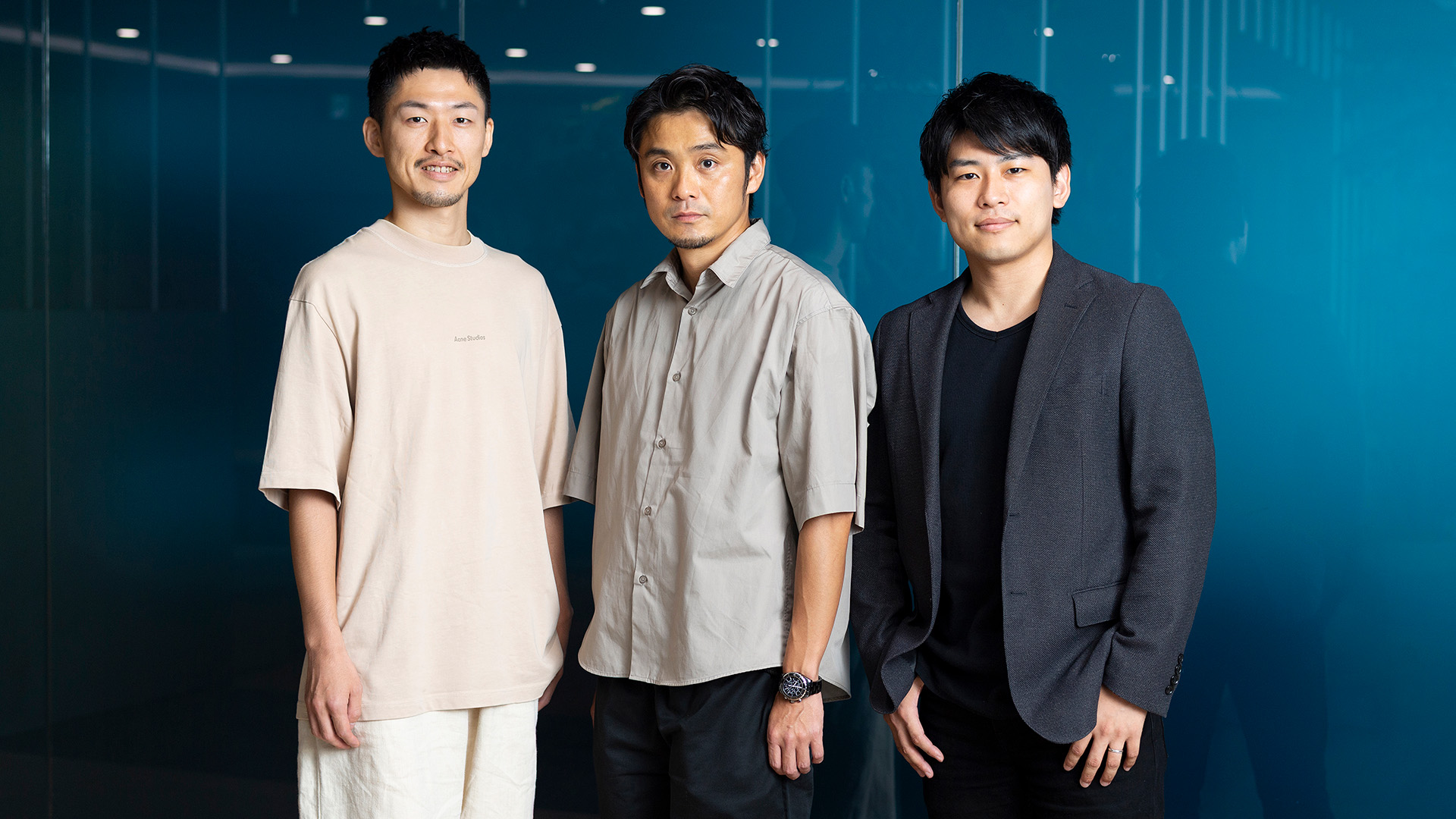
With the rise of generative AI, generative AI search has emerged as a new option for search behavior. Google Search has introduced "AI Overviews," and the "AI Mode," already available in the United States, the United Kingdom, and India, is now launching in Japan as well. Amidst these changes, Generative Engine Optimization (GEO) is drawing increasing attention. In this article, a GEO consulting specialist from Dentsu Digital explains the background behind the growing importance of GEO and the benefits of taking action now.
Table of Contents
What is GEO? “A Method to Ensure Your Brand is Properly Featured in AI Search”
— What is GEO?
Chimoto: GEO stands for "Generative Engine Optimization," a set of strategies designed to ensure that a company's brand or products are mentioned in AI-generated responses for users.
We approach GEO from two main perspectives: one is services based on large language models (LLMs) such as ChatGPT, Gemini, and Perplexity; the other is keyword-based searches like Google's AI Overviews.
Of course, there are many other generative engines such as Microsoft Copilot and Genspark, but for now, we’re focusing on these four as our initial scope.
Shihommatsu: Simply put, GEO is about "ensuring that your brand is appropriately represented in AI-generated answers to users' queries.”
For example, for manufacturers, it means making sure that when a user asks related questions to AI or conducts keyword searches, their products are adequately mentioned in the responses.
Some may worry, "If we strengthen GEO, won’t AI simply learn from the content on our site?” In response, we believe it’s crucial to clearly define and distinguish between “mention” and “citation” within generative AI contexts.
Inagaki: There isn’t yet an industry-wide term for "the strategy of ensuring your brand is appropriately featured in AI search." While Dentsu Digital and the Dentsu Group use the term GEO, some companies refer to it as LLMO (Large Language Model Optimization) or AIO (AI Optimization for Generation). Please check each company's definition to ensure clarity about what each term refers to.
Two Reasons Why GEO is Attracting Attention
— Why is GEO receiving so much attention now?
Inagaki: There are two main reasons behind this trend.
- Changes in User Search Behavior
With the advent of AI, the ways users search the web are becoming increasingly diverse. Some people say, "I use Google Search less often and now collect information through ChatGPT."
Additionally, the appearance of "AI Overviews" at the top of Google Search results allows users to achieve their search objectives without clicking on any of the pages listed beneath. This is already happening for certain keywords. - Developments at Google
Google is rapidly evolving its search platform, such as by launching "AI Mode" in Japan. This means that significant changes are occurring on the platform side as well.
Early Movers May Gain an Advantage
— What are the benefits of focusing on GEO now?
Chimoto: To be honest, there are currently no established best practices for GEO. However, as AI search becomes more widespread, many companies are likely already sensing a decrease in traffic from organic search. That’s why it is crucial to first accurately assess your current situation.
By conducting an initial analysis, you can gain a clear understanding of your website’s and brand’s position in generative AI search and AI Overviews. Moreover, because most companies haven’t yet fully engaged with GEO, there is also a significant first-mover advantage for those who act now.
Shihommatsu: As the search experience on these platform changes, I believe it is important for brands to start monitoring how their services and brands are being presented.
Inagaki: There’s no need to rush, of course. However, those who take early action will be able to track how AI search and its impact have evolved since their inception. This gives you an opportunity to refine current initiatives from a truly user-centric perspective—rather than simply echoing what’s being discussed in the market.
Chimoto: According to a survey by Dentsu Inc., users who regularly use generative AI have needs such as “I want to be taught about things I don’t know,” “I want help generating ideas,” and “I want someone to consult with.” Among teens and people in their 20s, generative AI ranks alongside best friends and mothers as someone they can casually share their feelings with[Ref 1], highlighting both the speed at which this technology is spreading and the dramatic shift in user behavior.
Looking ahead, as seen in the U.S., we expect to see a world in Japan where “AI for searching” integrates with “AI for purchasing,” enabling agent-to-agent transactions that complete the buying process. To be chosen by users in such a future, it will be essential to have AIs recognize your products and services as trustworthy. In that sense, being an early mover with GEO is a valuable investment for the future.

How Is GEO Different from SEO?
— Can GEO be implemented as an extension of SEO?
Inagaki: At this stage, I see GEO largely as an extension of SEO. If you’re thoroughly implementing the key elements of SEO, your content will naturally tend to be optimized for generative AI as well. The foundation for both is creating high-quality content that is useful for search users. However, there is a crucial difference: whether or not the user arriving at your website already possesses prior knowledge.
- Users coming from traditional web searches often visit a site without any prior knowledge.
- In contrast, users coming after seeing AI-generated recommendations or AI Overviews already have a certain level of knowledge.
Because of this difference, the structure, content, and depth of information that users want will change. Therefore, you need to design your content based on these premises.
When it comes to content itself, I believe low-cost pieces that start and end with generalities will gradually be eliminated. General information will be generated by AI Overviews anyway, so it’sworthwhile to understand which elements AI deems “good,” which parts it extracts, and what it prioritizes during the generative process.
Dentsu Digital’s GEO Consulting Services
— Dentsu Digital launched its GEO consulting service this May. What kind of support do you offer?
Shihommatsu: With this service, we provide clients with optimal access to the information sources and output logic that generative AI refers to.
A major feature is that, rather than jumping straight into solutions, we begin by thoroughly visualizing the current situation. Through our initial analysis plan, we comprehensively and clearly analyze:
- What prompts and keywords make it easier to get referenced by AI search and generative engines
- What types of websites and pages are more likely to be cited by AI
Based on these findings, we then consider and propose the most effective measures tailored to each client’s situation.
When it comes to action plans, it’s becoming increasingly important to not only optimize your own website, but also to strengthen brand recognition through PR and other initiatives. Here, we feel that the wide range of assets that Dentsu Group possesses is a great advantage.
Inagaki: Our team, with strong expertise in SEO, and Chimoto’s team, which specializes in AI, are responsible for the solution. Additionally, we are working in partnership with Dentsu Data Artist Mongol (DDAM), which has many engineers who excel at generative AI development. Leveraging DDAM’s strength, we’re able to develop custom dashboards for detailed data analysis- another key advantage.
Moreover, our proposals aren’t limited to SEO-based solutions for improving search experience. We also collaborate with PR and marketing experts within our company and across the Dentsu Group, which enables us to deliver more precise and effective results- that’s a unique benefit of working with us.
— How has the response been since the service was launched?
Chimoto: So far, we've received inquiries and consultations from over 50 companies, which shows us the high level of latent interest in GEO. We’ve been contacted not only by those responsible for SEO who are highly attuned to industry trends, but also by companies concerned about potential impacts after seeing international news about Google’s AI Mode.
Inagaki: We already have several implementation cases. For example, with a client that operates a nursing-care job search site, we registered prompts and keywords used by job seekers in our analysis tool and analyzed the data. We found that about 90% of the data referenced by AI came from article content.
Based on that analysis, we have been strengthening the quality of articles on owned media, working to have the client featured positively on external sites, and implementing digital PR initiatives to raise brand awareness. The ability to provide such a wide variety of solutions consistently is a particular strength of the Dentsu Group.
In addition, companies from a diverse range of industries, such as music, finance, and beverage manufacturing, have started working on GEO tailored to their individual situations and objectives.

The First Step: Analyze Your Website from a Generative AI Perspective
— Please share a message for marketing professionals at companies who are considering when and how to begin working on GEO.
Chimoto: There are many explanatory articles about GEO, and some use information that may make you feel uneasy. What’s most important is to first gain an accurate understanding of your company’s current situation. I encourage you to casually use our initial analysis plan and start by getting a clear picture of where you are today.
Inagaki: AI search doesn’t generate answers from scratch- it always references existing information. By understanding what sources the AI trusts and where it pulls data from, you’ll get a clearer sense of what you need to be working on right now. Getting a grasp of what’s actually happening through real data is extremely important as a first step. This is something we specialize in, so please feel free to consult with us.
Shihommatsu: I suggest you begin by actually using various generative AI services to get a feel for how AI search works. If you find you need more specialized analysis after that, please reach out to us. We can provide insights from a range of perspectives based on large-scale data analysis, and we look forward to being of help.
For more information about our GEO consulting services, please click here.
For inquiries regarding this article, please contact us here.