

The Journey of Building the Global e-Commerce Site for Shiseido’s “Clé de Peau Beauté” — Balancing Brand Identity and Practical Operations
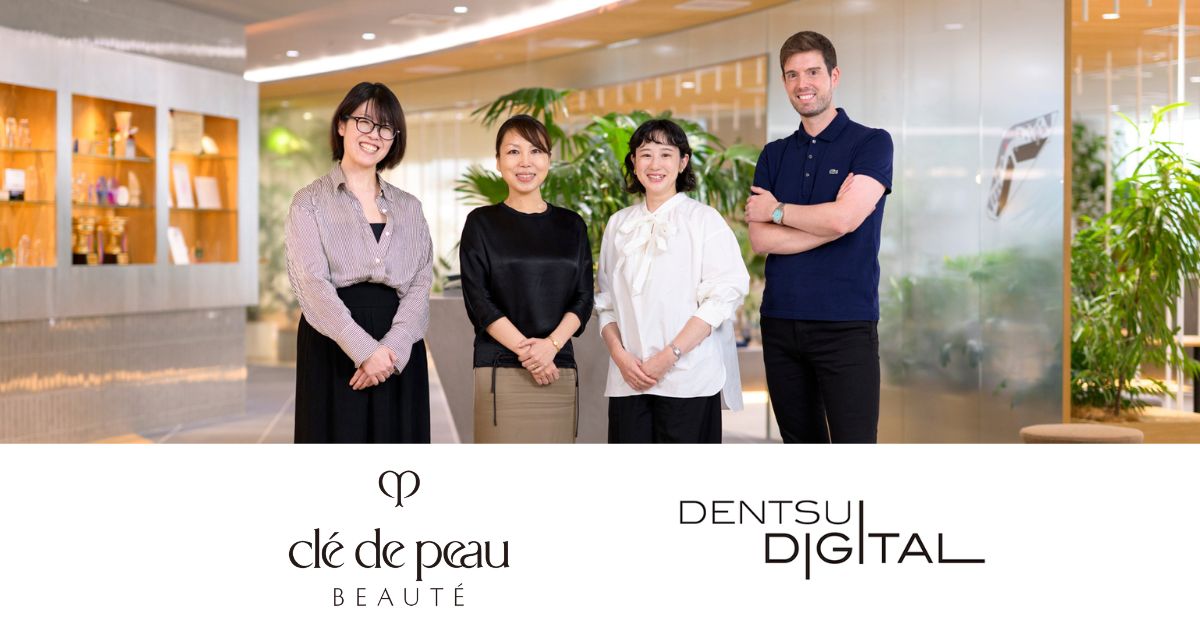
When expanding a brand on a global scale, one of the biggest challenges in brand strategy is how to enhance digital customer experience and maintain consistency in “brand identity,” while also allowing the flexibility to address the needs, issues, and market environments of each region. In response to this challenge, Shiseido’s luxury brand, Clé de Peau Beauté, undertook the construction of its global e-Commerce site with support from Dentsu Digital, realizing a system that both preserves the brand vision and allows for deployment and operation in each region. Focusing on the construction of a “Global Master Website (GMW),” we interviewed members from Shiseido and Dentsu Digital about their efforts to renew their website globally.
*This article is an English translation of an article originally published on MarkeZine on November 26, 2025.
A Consistent Brand Experience Sought by Clé de Peau Beauté
MarkeZine Editorial Department (hereafter, MZ): To begin, could you please introduce Shiseido’s brand, Clé de Peau Beauté?
Lemoigne: Clé de Peau Beauté is a luxury cosmetics brand that was born in 1982. Based on over 40 years of skin cell research, its skincare products center around a unique science—the belief that “skin has intelligence.” We also offer makeup products and in-store treatment services.
Currently, our brand is deployed in 26 regions including Asia, Europe, and the Americas, and has a global sales network of approximately 2,300 retail stores. Our products cater to a wide range of age groups and address various concerns, making them accessible to people in many different countries and regions.

MZ: What kind of customer experience is the brand aiming to deliver?
Lemoigne: As a luxury brand, our top priority is to enhance the real, in-person brand experience for our customers. We strengthen both the design of our retail spaces and the skills of our staff, aiming to immerse customers in the brand’s world from the moment they step up to our counters and to provide a comprehensive luxury experience. Building on our strengths in physical retail, we also want to deliver high-quality experiences in the digital realm, including our website, that make customers feel as if they are being personally attended to by in-store staff.
In addition, while valuing the unique presence and elegance of the brand, we place great importance on consistently creating experiences that bring joy to our customers. For example, by collaborating and designing special experiences for celebratory occasions such as the holiday (Christmas) season or Chinese New Year, we strive to deliver value that is both attractive to each regional market and faithful to our brand’s worldview.
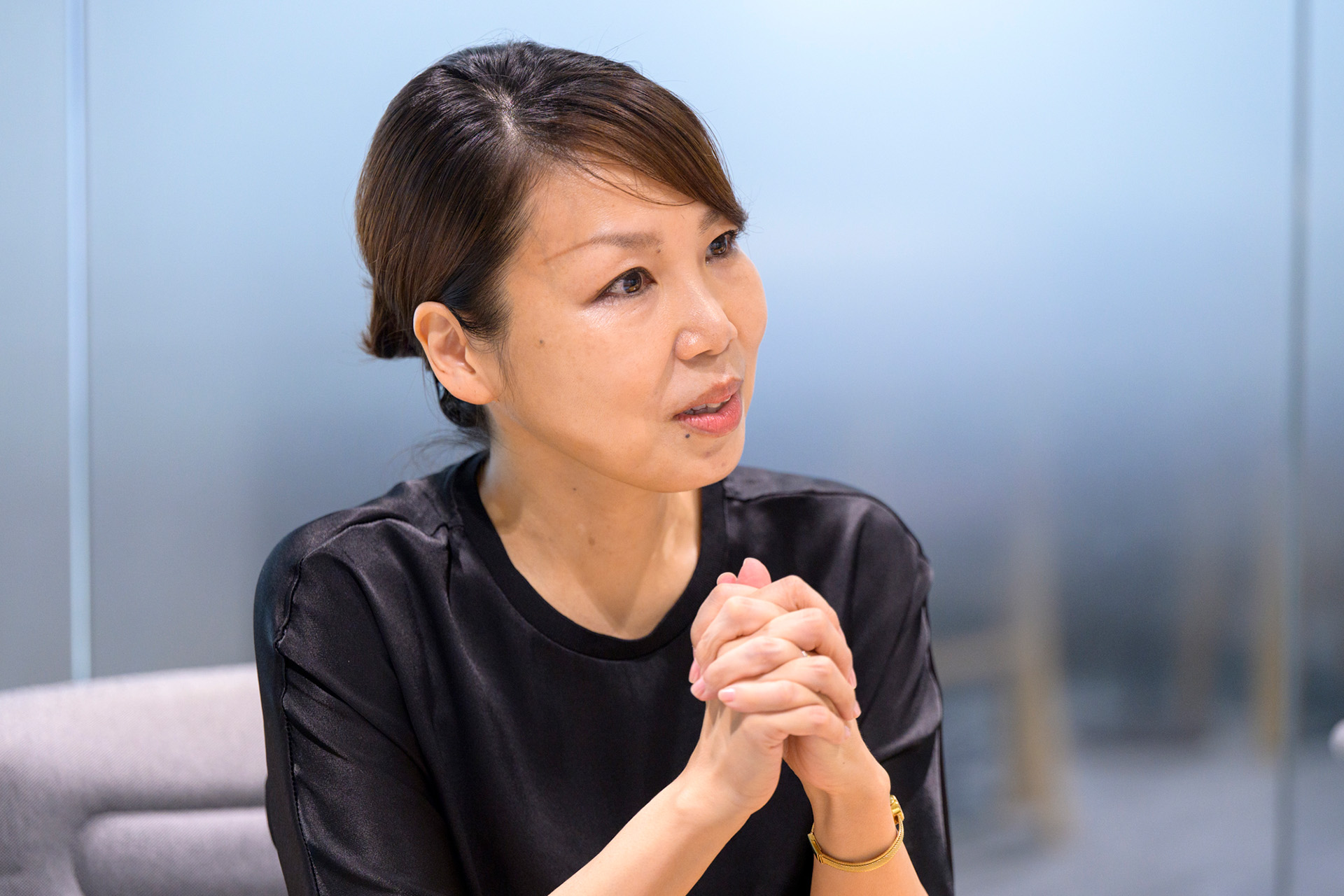
Ms. Lemoigne is responsible for digital strategy within the Clé de Peau Beauté Global Brand Unit. She oversees the operation of the “Global Master Website (GMW)” and supports e-commerce operations in various international markets.
Pioneering Within the Shiseido Group: Taking On the Challenge of Building a Global-Standard Website
MZ: We’d like to ask you about the renewal of your e-commerce site this time. To begin with, could you tell us about the background of this initiative?
Lemoigne: The internationally managed website, created by headquarters in 2018, was due for a renewal. Additionally, as we expanded globally, there was another background factor: the purpose of the website differed across regions. In the U.S., the focus was on product sales through e-commerce, while in Europe the primary role was brand communication, and in China, sales were conducted through WeChat Mini Programs. These differences meant that strategies and roles varied by region.
Therefore, our headquarters decided to develop a “Global Master Website (GMW)” as a reference point. The idea was to create a system where each region—and by extension each market—could select the features they required and carry out marketing activities tailored to their specific circumstances.
MZ: What was the main objective of this renewal?
Lemoigne: First and foremost, it was to unify brand communication. By preventing the use of different messages or designs in each market—which could risk fragmenting the brand image—we aimed to deliver a globally consistent brand experience.
Next, it was also important to strengthen governance. We set out to clarify global guidelines and improve operational transparency and efficiency. Another objective was to allow our limited human resources to focus more on strategic activities. Additionally, by using a unified global platform, we aimed to reduce costs related to development and operations.
Furthermore, we put particular effort into accessibility. Our company positions Diversity, Equity & Inclusion as a key management strategy, so creating a website that is user-friendly for everyone is essential. Across the Shiseido Group, we aim to comply with “Level AA” of the Web Content Accessibility Guidelines (WCAG) provided by the World Wide Web Consortium (W3C) as the international standard for web accessibility. Clé de Peau Beauté has taken the lead in working toward this standard.
How to Achieve a Site Design and Operation That Anyone, Anywhere in the World, Can Use with Ease and Confidence
MZ: What kind of support did Dentsu Digital provide for this project?
Tanimura: At Dentsu Digital, we have been supporting the production and operation of Clé de Peau Beauté’s global website since 2018. One thing we emphasized was ensuring that the work didn’t just end with creating the GMW. We aimed to establish a support system that would accompany each region from implementation through to ongoing operations, so that the platform could be seamlessly used in day-to-day activities.
The core of this effort is the new “Global Design System.” We turned details that previous design guidelines did not fully cover into precise, documented rules, creating a common language that can be referenced not only by designers in charge of each market, but also by anyone involved in site operation. With the goal of compliance with accessibility standard WCAG 2.2, we defined various elements such as color, spacing, and button areas, ensuring that even after localization adjustments like translation are made in each market, the accessibility standards would not be compromised.
On the operations side, we developed an “Onboarding Handbook.” This clearly and systematically documents implementation procedures, production and operation rules, and localization guidelines, enabling those responsible in each market to work with confidence and clarity.

She was in charge of the implementation phase of the GMW. Acting as a hub between the design, development, operations, and accessibility teams, she supported the creation of an environment that enables the global rollout of the brand’s e-commerce site as a sustainable framework.
Tanimura: Dentsu Digital’s unique strength lies in our ability to seamlessly integrate “brand understanding, technical implementation, and global management” into a single, unified approach.
Taking Shiseido’s brand philosophy into account, our design, development, operations, and accessibility teams worked closely together. For example, we incorporated the accessibility team’s research during the design phase, ensuring that both beauty and functionality were supported from both the design and UI/UX perspectives. Additionally, we collaborated with Dentsu Group’s overseas offices to achieve locally optimized rollouts for each market.
Design Development that Balances Brand Identity and Usability
MZ: How did you approach the design aspect?
Desmeliers: In order to cater to users around the world and provide a premium experience through the website, we aimed for a user-centric design. Accessibility is extremely important when delivering a universal experience.
One of the key points we focused on was avoiding embedding text within images. When text is embedded in images, it not only makes translation difficult for overseas regions, but also prevents compatibility with screen readers and other accessibility tools—making it unacceptable from an accessibility perspective. Therefore, we made sure to always keep images and text separate.
Furthermore, by utilizing consistent UI patterns and a design system, we have achieved a scalable design without compromising the brand image.
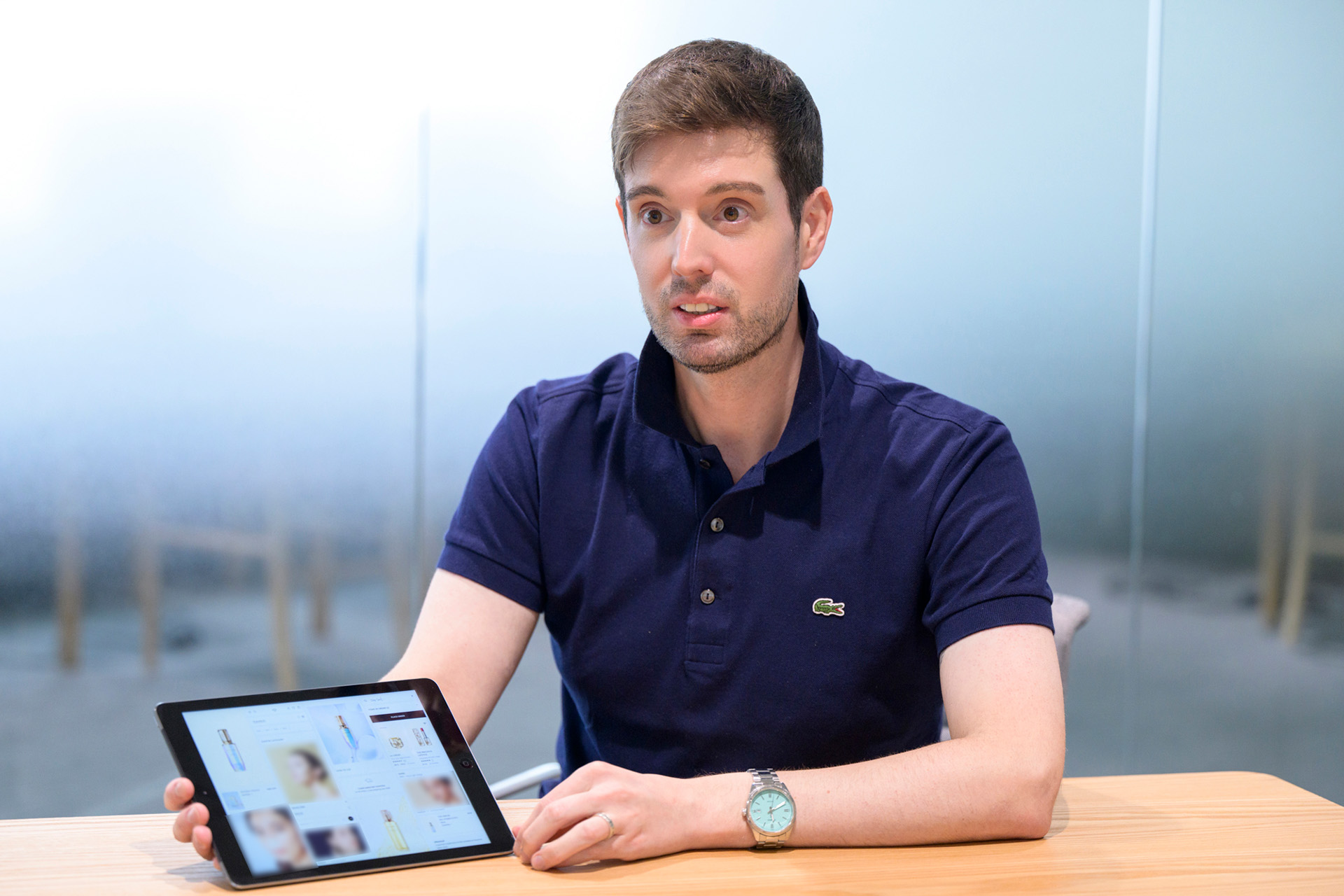
He is responsible for the design and UI/UX of the GMW, as well as the development of the global design system. His mission is to deliver an enhanced user experience on a global scale.
MZ: Could you tell us more about the functional aspects as well?
Desmeliers: We built the design system in Figma, creating a structure that allows each region to add or remove components through drag-and-drop. This means that regions no longer need to build web pages from scratch, making it much more efficient to adjust and customize their websites.
Even when there is a global website, it’s common for each country to create custom pages tailored to their local markets. To maintain the brand worldview and keep governance in place, we set appropriate restrictions within the design system on how much each region can modify. This approach allows us to maintain harmony and consistency across regional sites, while still flexibly addressing local needs. Additionally, it has facilitated smoother collaboration between the global team and regional teams, which has improved both the speed and quality of website launches.
A Common Operational Platform and AI Utilization Enable Swift Adjustments
MZ: As you rolled out and operated the platform in each market, what specific initiatives did you undertake?
Tanimura: In deploying the GMW, one key initiative was the development of comprehensive guidelines that we could confidently refer everyone to by saying, “When in doubt, check here first.” To eliminate gaps in understanding due to differences in information or digital literacy, we had team members who were new to the project review the site and repeatedly identified and improved points of confusion and ways to make the information clearer for everyone.
Isu: One of the most important initiatives for operation was optimizing information sharing. Since the renewal timing is different for each country, our challenge was to create a system where any country joining the project at any time could quickly catch up on past operational information. To achieve this, we consolidated previously scattered materials onto the knowledge-sharing tool, Confluence. By managing guidelines, operational rules, release schedules, and various links all in one place, we ensured that anyone can easily find and understand the information they need.
MZ: What kinds of initiatives did you undertake as you rolled out and operated the platform in each market?
Tanimura: When rolling out the GMW, we focused on preparing guidelines that everyone could rely on by saying, “If you have any questions, start here.” To ensure there were no gaps in understanding due to differences in information and literacy, we also had team members who were new to the project review the site. We repeatedly checked for areas that were difficult to understand or unclear in their explanations and improved them to make the content as accessible as possible.
Isu: One of the major focuses in operations was optimizing information sharing. Since each country has a different renewal timeline, it was a challenge to develop a system where any country could join at any stage and easily catch up on past operational knowledge. To address this, we consolidated documents that had previously been managed separately into the knowledge-sharing tool “Confluence.” We unified the management of guidelines, operational rules, release schedules, and various links so that everyone could quickly find what they need, no matter who they are.
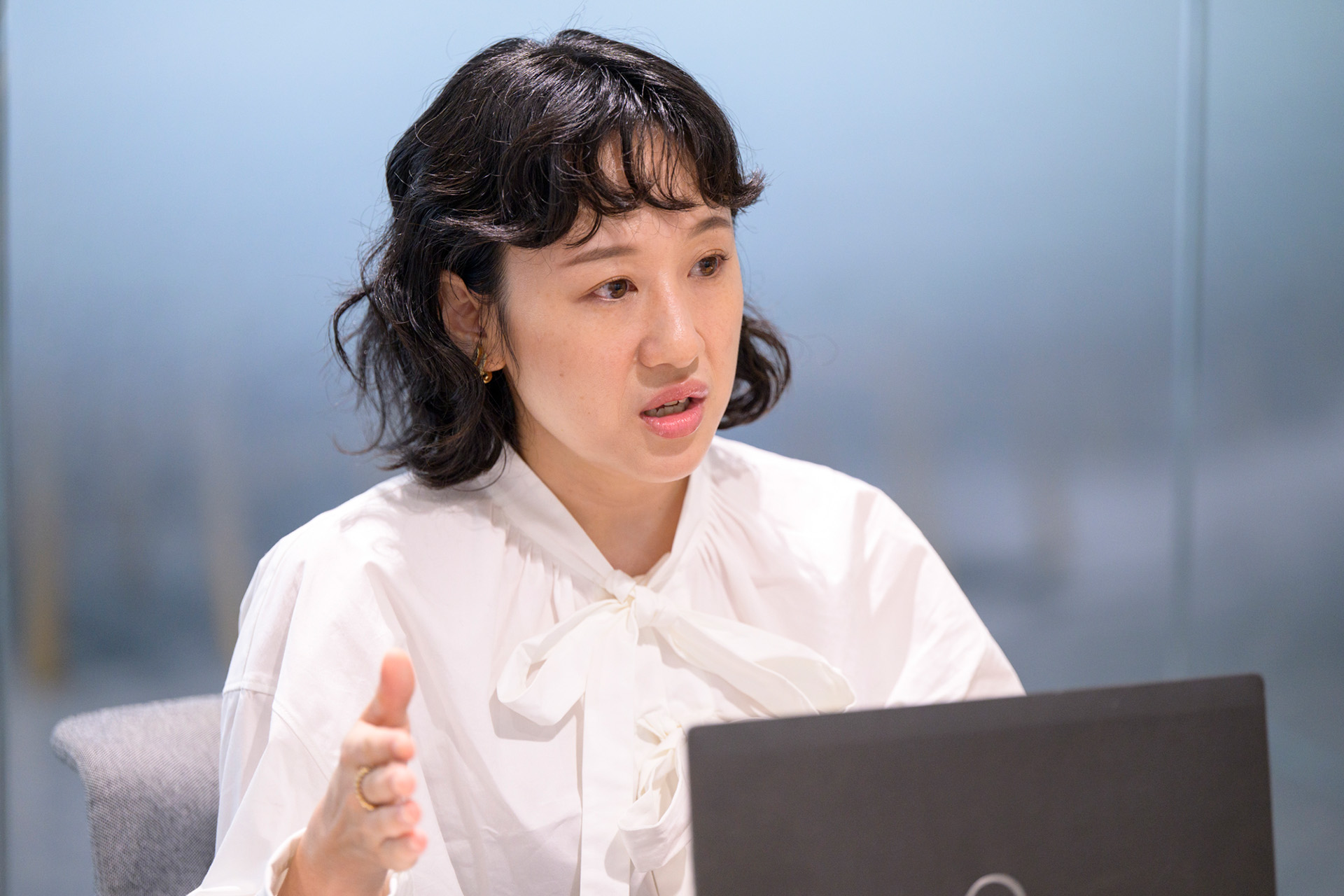
She has been involved in the project since the regular operation phase of the GMW, overseeing project management across the entire production area—including seasonal updates, proposals for new content, and support for implementing accessibility measures.
MZ: We’ve heard that you are also utilizing AI in your initiatives. Could you tell us more about that?
Isu: Our use of AI began in the accessibility domain, and we are currently focusing on testing it for "setting alt text" and "providing text versions of videos." At the same time, we are also conducting parallel tests for generating audio descriptions for videos.
For alt text, we started by carefully organizing the elements that should receive alt attributes, and clarified the criteria—including cases where the alt is intentionally left empty. We defined and documented standards, such as the scope of product packaging descriptions, and structured these into comprehensive guidelines. Based on this, we established a workflow where AI generates a draft version, and human reviewers make the final adjustments from the perspectives of brand tone, product characteristics, and sentence structure.
For video content, we first have AI analyze and understand the video, and then generate several draft versions of text summaries. Since it is burdensome for humans to transcribe the entire content of a video from scratch, we let AI create a preliminary script. From there, we are now in the process of establishing rules for “what kind of expressions are appropriate for the brand” and “how much additional explanation is necessary.” At this stage, we are testing and seeking the right balance in terms of the amount of information, the tone of expression, and readability for users. For audio descriptions, we are similarly conducting parallel tests, carefully assessing their necessity and added value.
What we value most in introducing AI is not simply “using AI,” but rather, redesigning our processes to leverage human judgment and sensibility. This approach allows us to make speedy improvements while preserving the brand’s worldview, and has helped foster a culture within our team of continuous experimentation and iteration.
For Building an Inclusive Website
MZ: What kind of feedback or results have you seen through these initiatives?
Lemoigne: With the guidelines organized in Confluence and the design system in place, the speed of our website renewal has greatly improved. Communication with each market has also become more efficient, allowing us to roll out updates smoothly without compromising the brand’s intended expression.
With regard to accessibility, there is still a broad range of detailed work that needs to be addressed at the code level. However, by proactively taking the lead on these efforts at the headquarters, we have been able to reduce the workload for each market. Another significant achievement is that the knowledge we have gained through this initiative now allows us to consider accessibility perspectives in the production of other types of content as well.
Tanimura: As we advanced our accessibility initiatives, I realized how essential it is to serve as a “hub” connecting the accessibility team and the production team, organizing both information and intent. As a result, a culture has developed across all related teams in which “how to incorporate accessibility into operations” has become a shared language and common way of thinking.
MZ: Finally, could you share your outlook for the future?
Lemoigne: Right now, the website renewals for each country are still in preparation and will be launched one by one going forward, but our goal continues to be the realization of a more inclusive society. We will keep working to improve the user experience so that all users can access information and services equally, and so we can deliver our products to everyone. We also plan to continue developing our website to flexibly accommodate new devices and technologies, such as mobile devices and voice assistants.
Isu: In the operation of a global brand website, balancing “standardization” and “flexibility” is a constant challenge. Our goal is to establish a framework that ensures updates can be made to the same high quality by any team member in any country, while also respecting each market’s unique culture and ways of expression. I hope we can create opportunities to share, on a global scale, the processes through which each country interprets the brand and adapts it to their own culture, allowing us to learn from and inspire one another.
For inquiries regarding this article, please contact us here.